
Enhance Your Smile with Custom Dental Veneers
Small imperfections in the color, shape, size, or position of your teeth can have a noticeable effect on how you feel about your smile. Dental veneers are thin, custom-made restorations placed over the front surfaces of selected teeth to create a more balanced, attractive, and natural-looking appearance.
At Wilmington Prosthodontics, Dr. Anna Mcilwain approaches veneer treatment with careful attention to facial proportions, tooth structure, bite, and long-term oral health. Every veneer is individually designed to complement your features and improve your smile without creating an artificial or overly uniform result.
Dental Veneers at a Glance
Best For
- Discolored or stained teeth
- Chipped or worn front teeth
- Uneven tooth shape or size
- Small gaps between teeth
- Improving smile symmetry and proportion
Primary Benefits
- Creates a natural-looking smile
- Improves tooth color and shape
- Corrects several cosmetic concerns at once
- Customized to your facial features
- Provides a durable cosmetic solution
Benefits of Dental Veneers
Personalized Smile Enhancement with Natural Results
Veneers can address multiple cosmetic concerns within one coordinated treatment plan. Rather than changing your entire appearance, well-designed veneers enhance the qualities of your natural smile and create greater balance between the teeth, lips, and face.
Benefits of dental veneers may include:
- Improving the color of teeth that do not respond predictably to whitening
- Repairing the appearance of chipped or worn enamel
- Creating more consistent tooth shapes and proportions
- Closing or reducing the appearance of small gaps
- Improving the symmetry of the visible smile
- Masking selected areas of discoloration or surface irregularity
- Providing a stain-resistant restorative surface
- Creating results tailored to your individual features and preferences
Each veneer is carefully planned to blend with the surrounding teeth and support a smile that looks polished without appearing unnatural.
Are Dental Veneers Right for You?
You may benefit from dental veneers if you have:
- Persistent tooth discoloration
- Chipped, worn, or irregular front teeth
- Small spaces between teeth
- Teeth that appear uneven in shape or length
- Minor alignment concerns that may not require orthodontic treatment
- Old cosmetic restorations that no longer look natural
- Healthy teeth and gums suitable for cosmetic treatment
Veneers are not appropriate for every cosmetic concern. Teeth affected by significant decay, structural damage, active gum disease, severe grinding, or major alignment problems may require other treatment first. Dr. Anna Mcilwain will evaluate your oral health and explain whether veneers are a predictable option for your smile.
Why Choose a Prosthodontist?
Advanced Training in Aesthetics, Function, and Restorative Design
Veneers are highly visible restorations, and even subtle differences in shape, color, proportion, or position can affect the final result. Successful treatment requires an understanding of both smile aesthetics and how the teeth function together.
Prosthodontists complete three additional years of specialty training focused on restoring teeth, dental materials, bite relationships, and natural-looking aesthetics. Dr. Anna Mcilwain uses this expertise to plan veneers that complement your facial features while protecting healthy tooth structure and supporting long-term function.
Her goal is not to create a generic smile. It is to design a result that looks natural, balanced, and appropriate for you.
Our Approach
Conservative Planning. Personalized Smile Design.
At Wilmington Prosthodontics, veneer treatment begins with a conversation about what you would like to improve and what you want your final smile to feel like. Dr. Mcilwain evaluates your teeth, gums, bite, facial proportions, and existing dental work before recommending treatment.
Whenever practical, healthy tooth structure is preserved through conservative preparation. The number of veneers, their shape, shade, and placement are selected based on your individual needs rather than applying the same treatment to every smile.
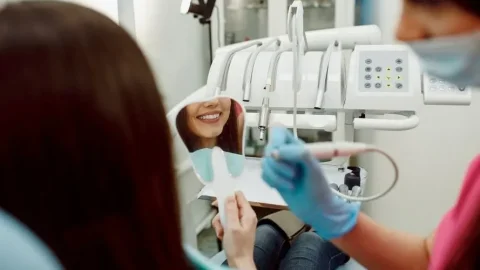
Depending on your treatment plan, you may have an opportunity to review a proposed smile design or temporary version before the final veneers are completed. This thoughtful process helps ensure that the finished result reflects your expectations and feels natural in everyday life.
Dental Veneers | Frequently Asked Questions
Dental veneers are thin, custom-made restorations bonded to the front surfaces of teeth. They are used to improve concerns involving tooth color, shape, size, spacing, wear, or symmetry.
Veneers may improve the appearance of discolored, chipped, worn, uneven, undersized, or mildly misaligned teeth. They may also be used to reduce the appearance of small spaces between teeth.
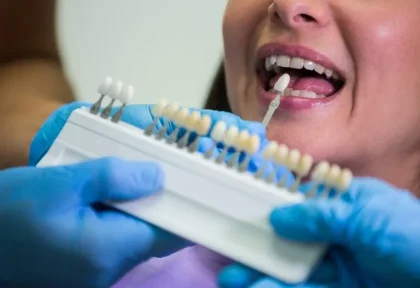
Yes. Dr. Anna Mcilwain carefully plans the color, translucency, shape, texture, and proportions of each veneer so the final result complements your surrounding teeth and facial features.
Many veneers require a small amount of enamel preparation to create space and achieve a natural fit. The amount varies based on the position, shape, and condition of the tooth. Dr. Mcilwain recommends the most conservative preparation practical for each case.
With good oral hygiene, regular dental care, and appropriate protection from grinding or damaging habits, veneers can provide many years of service. Like any restoration, they may eventually require repair or replacement.
Porcelain veneers are generally resistant to staining, but the natural teeth and bonding margins can still be affected by dietary habits and oral hygiene. Regular professional care helps maintain a consistent appearance.
Brush and floss daily, maintain regular dental examinations, and avoid habits such as biting ice, opening packages with your teeth, or chewing hard objects. A protective nightguard may be recommended if you grind or clench your teeth.
Schedule a consultation at Wilmington Prosthodontics. Dr. Anna Mcilwain will evaluate your smile, discuss what you would like to change, and explain whether veneers or another cosmetic treatment best fits your goals.
Create a Smile That Feels Naturally Yours
Wilmington Prosthodontics provides personalized veneer treatment designed to enhance your smile with thoughtful proportions, natural aesthetics, and careful attention to long-term oral health.