


Make Subtle Smile Improvements with Composite Bonding
Small chips, uneven edges, minor gaps, and irregular tooth shapes can draw attention away from an otherwise healthy smile. Composite bonding uses tooth-colored restorative material to reshape selected areas and create a smoother, more balanced appearance—often with minimal alteration to the natural tooth.
At Wilmington Prosthodontics, Dr. Anna Mcilwain carefully sculpts and blends the composite material to complement the surrounding enamel. Bonding can be an effective option for patients seeking conservative cosmetic improvements without the preparation and laboratory process associated with veneers or crowns.
Composite Bonding at a Glance
Best For
- Small chips or fractures
- Uneven or worn tooth edges
- Minor gaps between teeth
- Irregular tooth shape or size
- Conservative cosmetic enhancements
Primary Benefits
- Preserves natural tooth structure
- Often completed in a single visit
- Blends with surrounding enamel
- Repairs several minor cosmetic concerns
- Can often be adjusted or repaired
Benefits of Composite Bonding
Conservative Treatment for Meaningful Cosmetic Improvements
Composite bonding allows Dr. Mcilwain to add tooth-colored material precisely where it is needed. The material is shaped, polished, and blended directly on the tooth to improve its appearance while preserving as much healthy enamel as possible.
Benefits of composite bonding may include:
- Repairing small chips and worn edges
- Improving the shape or proportion of selected teeth
- Reducing the appearance of minor gaps
- Masking limited areas of discoloration
- Creating greater symmetry between neighboring teeth
- Preserving more natural tooth structure than some indirect restorations
- Completing treatment without a dental laboratory in many cases
- Allowing future repair or modification when appropriate
Bonding works best for carefully selected cosmetic concerns and may be combined with whitening or other treatments as part of a personalized smile plan.
Is Composite Bonding Right for You?
You may benefit from composite bonding if you have:
- A small chip or minor fracture
- Uneven, shortened, or worn tooth edges
- A small space between front teeth
- A tooth that appears undersized or irregularly shaped
- A limited area of discoloration
- Minor asymmetry within your smile
- A desire for conservative cosmetic treatment
Composite bonding may not provide the durability or coverage needed for teeth with extensive damage, large existing restorations, significant bite stress, or more complex cosmetic concerns. Dr. Anna Mcilwain will evaluate your teeth and explain whether bonding, veneers, crowns, orthodontic treatment, or another option is most appropriate.
Why Choose a Prosthodontist?
Detail-Oriented Restorative and Aesthetic Expertise
Although composite bonding is often considered a straightforward treatment, natural-looking results require careful attention to tooth anatomy, surface texture, shade, proportions, and bite function.
Prosthodontists complete three additional years of advanced specialty education focused on restoring teeth and creating functional, natural-looking results. Dr. Anna Mcilwain uses this training to shape composite material so it blends with the surrounding smile rather than simply covering the cosmetic concern.
She also evaluates how the bonded area contacts the opposing teeth, helping reduce unnecessary stress and improve the long-term predictability of the restoration.
Our Approach
Preserve Healthy Enamel. Enhance What Is Already There.
At Wilmington Prosthodontics, composite bonding is planned as a conservative enhancement rather than a one-size-fits-all cosmetic solution. Dr. Mcilwain begins by identifying the specific changes that would create the greatest improvement while preserving the character of your natural smile.
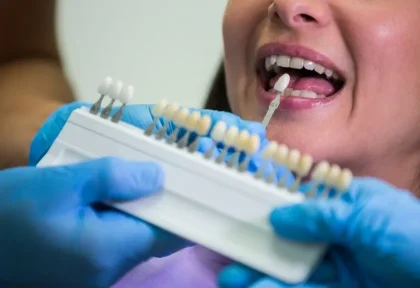
The tooth-colored material is selected to blend with your enamel, placed directly onto the tooth, and carefully shaped in layers. Once the desired contour is achieved, the restoration is polished to create a smooth, natural finish.
Because composite material can wear or stain over time, Dr. Mcilwain will also explain how to care for the bonded area and what maintenance may be needed in the future.
Composite Bonding | Frequently Asked Questions
Composite bonding is a cosmetic and restorative treatment that uses tooth-colored resin material to repair chips, reshape teeth, close small gaps, or improve minor concerns involving color and symmetry.
Bonding may be used to repair small chips, smooth worn edges, improve tooth shape, reduce minor spaces, mask selected discoloration, and create greater symmetry within the smile.
Composite bonding generally requires little or no removal of healthy enamel, depending on the tooth and treatment goal. This makes it one of the more conservative cosmetic treatment options.
Many composite bonding treatments can be completed in a single appointment because the material is shaped directly on the tooth. More extensive treatment involving several teeth may require additional planning or visits.
Longevity varies based on the location of the bonding, your bite, oral hygiene, diet, and habits. Composite bonding may provide years of service but can wear, stain, chip, or require maintenance over time.
Composite material can gradually absorb stains more readily than porcelain. Coffee, tea, red wine, tobacco, and other staining substances may affect its appearance over time. Professional polishing or replacement may eventually be recommended.
Yes. One advantage of composite bonding is that chipped, worn, or stained areas can often be repaired or modified without replacing the entire restoration.
Schedule a consultation at Wilmington Prosthodontics. Dr. Anna Mcilwain will evaluate your cosmetic concerns and help you determine whether composite bonding, veneers, or another treatment best fits your smile.
Refresh Your Smile with Conservative Cosmetic Care
Wilmington Prosthodontics provides personalized composite bonding designed to make subtle, natural-looking improvements while preserving healthy tooth structure whenever possible.