

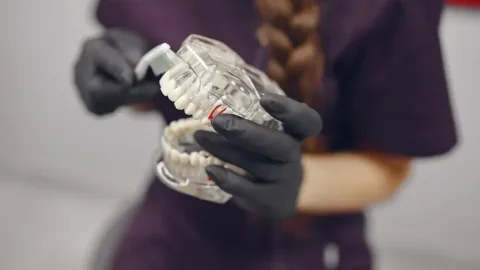

Improve Denture Comfort with Prompt Adjustments and Minor Repairs
Even a well-made denture may occasionally require adjustment. Changes in your mouth, normal wear, or the process of adapting to a new restoration can create sore areas, pressure points, rough edges, or changes in how the denture feels when you eat and speak.
Wilmington Prosthodontics provides denture adjustments and minor repairs to help restore comfort and dependable function. Same-day or next-day service may be available depending on the concern and the type of laboratory work required.
Denture Adjustments and Minor Repairs at a Glance
Best For
- Sore spots or pressure areas
- Rough or irritating denture edges
- Minor chips or surface damage
- Changes in bite comfort
- New dentures requiring follow-up adjustment
Primary Benefits
- Improves everyday comfort
- Reduces tissue irritation
- Refines denture fit and bite
- Corrects minor damage before it worsens
- Supports better long-term function
Benefits of Denture Adjustments
Small Changes Can Make a Meaningful Difference
Dentures sit against tissues that naturally change over time. Minor differences in pressure or contact can create discomfort, especially after a new denture is delivered or after changes in your gums and supporting bone.
Benefits of professional denture adjustment may include:
- Relieving localized sore spots
- Smoothing rough or sharp edges
- Improving comfort during chewing
- Correcting areas of uneven bite pressure
- Reducing rubbing against the cheeks, lips, or gums
- Refining the fit of a recently delivered denture
- Addressing small defects before more extensive damage develops
- Determining whether relining or replacement is needed
Adjustments should always be completed carefully. Removing too much material can weaken the denture or compromise its fit, which is why at-home filing or grinding is not recommended.
When Should Your Denture Be Adjusted?
You may need an adjustment or minor repair if you notice:
- Persistent gum soreness
- A pressure point that does not improve
- A rough, sharp, or chipped edge
- Difficulty chewing evenly
- A bite that feels different or unbalanced
- Rubbing against the tongue, cheek, or lip
- A new denture that remains uncomfortable after initial use
- A small area of damage that may worsen over time
Significant looseness may require more than a simple adjustment. Dr. Anna Mcilwain will evaluate whether the denture needs a localized correction, repair, reline, or replacement.
Why Choose a Prosthodontist?
Specialized Understanding of Denture Fit and Function
Denture comfort depends on a balance between fit, bite, support, retention, and the shape of the surrounding oral tissues. Adjusting one area without considering the rest of the restoration may create a new problem elsewhere.
Prosthodontists complete three additional years of advanced specialty training focused on restoring and replacing teeth, including extensive education in complete dentures, partial dentures, oral anatomy, bite relationships, and removable dental materials.
Dr. Anna Mcilwain evaluates the source of the discomfort before modifying the denture, helping ensure that each adjustment is precise, conservative, and appropriate.
Our Approach
Precise Adjustments Without Unnecessary Alteration
At Wilmington Prosthodontics, Dr. Mcilwain begins by listening carefully to where and when you experience discomfort. She will examine your mouth, inspect the denture, and evaluate how the restoration fits and functions during biting and movement.
Pressure-indicating materials and other clinical techniques may be used to identify areas requiring adjustment. Only the necessary areas are modified, preserving the overall fit and strength of the restoration.
New dentures may require more than one adjustment as your mouth adapts. If the concern is caused by broader changes in your oral tissues or significant wear, Dr. Mcilwain will explain whether a reline, repair, or new denture would provide a better result.
Denture Adjustments & Minor Repairs | Frequently Asked Questions
Yes. New dentures commonly require follow-up adjustments as your mouth adapts and pressure areas become apparent. These visits are an important part of achieving a comfortable result.
Sore spots may result from uneven pressure, changes in the supporting tissues, denture movement, bite imbalance, or an area of the denture that needs minor refinement.
No. Filing, grinding, bending, or otherwise modifying a denture at home can permanently damage it, weaken the material, or make the fit worse. Professional adjustment is the safest option.
Many adjustments can be completed during the appointment. Repairs requiring laboratory work may be available the same day or the following business day when possible.
Minor repairs may address small chips, rough edges, limited surface damage, loose components, or other localized concerns. The denture must be evaluated to determine whether repair is appropriate.
A simple adjustment may improve certain areas, but overall looseness often results from changes in the mouth and may require a reline, rebase, replacement denture, or implant-supported solution.
Unless the denture is causing significant pain or injury, you may be asked to wear it for a short period before your appointment so the pressure area can be identified. Contact the office for instructions specific to your situation.
Contact Wilmington Prosthodontics and describe the concern you are experiencing. Our team will help schedule an appropriate evaluation and let you know what to bring.
Get Back to Wearing Your Denture Comfortably
If soreness, rough edges, bite changes, or minor damage are affecting your denture, a professional adjustment may provide the relief and improved function you need.